Interior Design Tips + Tricks
Diving into Interior Design with K&M Interiors
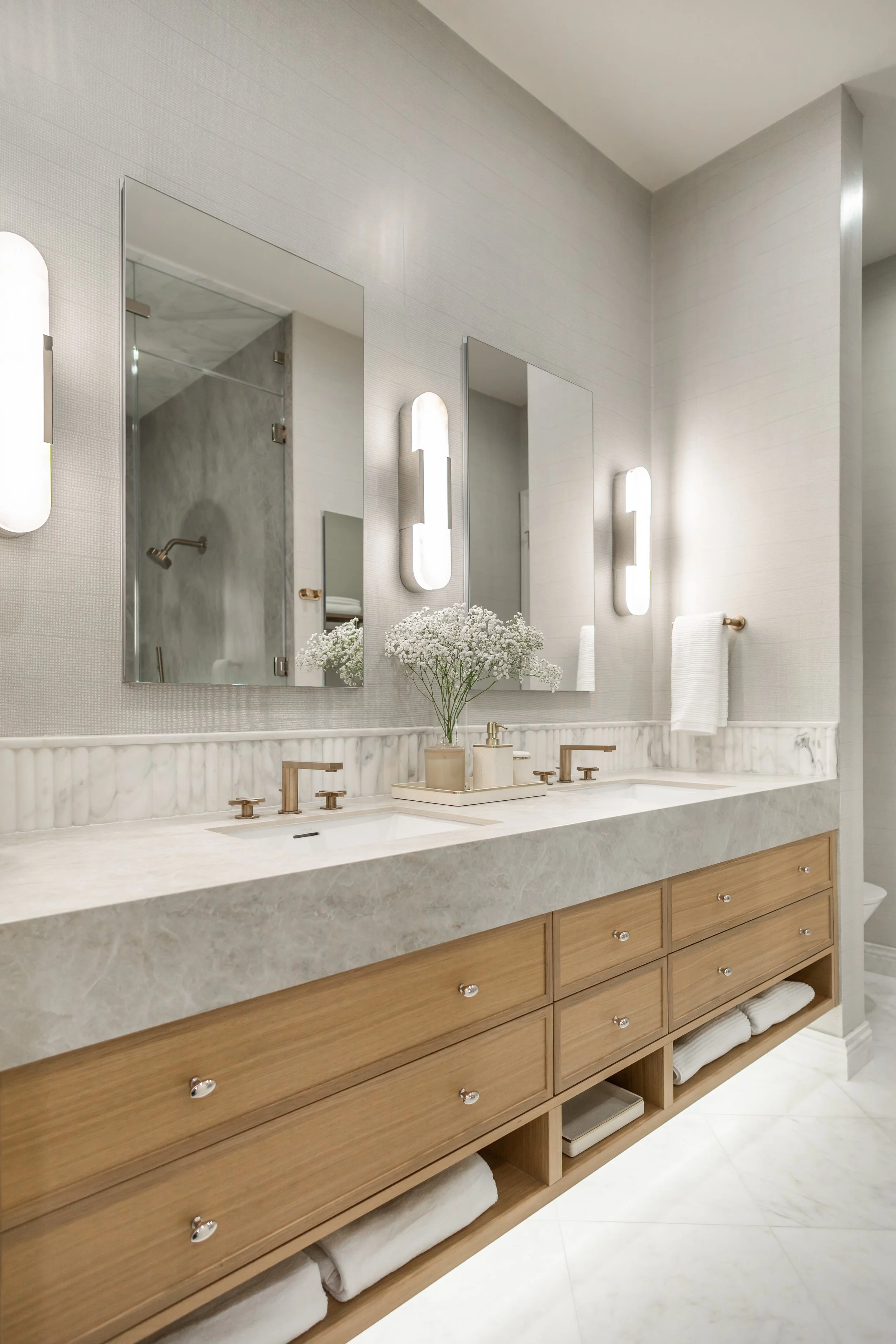
📸 Photo courtesy of K&M Interiors
Both interior design and home organization are two complementary elements that are instrumental in elevating and transforming the overall style and function of your home. When these two are dialed in just right, your home and life feels light, joyful, finished, and personal.
Since interior design often overlaps with home organization, I met up with Karina Mendez, founder of K&M Interiors, to get her expert advice on design tips, what to avoid, and how to go about discovering our own design style — whether you’re looking to remodel or redesign.
Karina draws her inspiration directly from the spaces itself — how the home feels, the character of the neighborhood, and the lifestyle the space is meant to support. Rather than imposing a single signature look, she adapts her approach to each home and client. Karina shared some great takeaways for getting that finished look — I hope you enjoy our conversation below! ⭐️
What drew you to pursue interior design?
Interior design started early at home. Growing up, my father worked for a graphic design company and often brought that creativity into our everyday life — whether it was a life-size woolly mammoth appearing in the backyard or over-the-top Halloween decorations that were always a step above everyone else’s. My home was a place where imagination, scale, and playfulness were encouraged, and design felt expressive rather than restrictive. That early exposure shaped my creative confidence and gave me the freedom to experiment. It’s an approach I still carry into my work today, blending thoughtful function with originality to create spaces that feel both intentional and personal.
What’s the difference between decorating and interior design?
To me, the difference between a decorator and an interior designer comes down to depth and intention. A decorator focuses on the finishing layers — furniture, color, styling, and accessories — while an interior designer looks at the space as a whole, from how it functions to how it’s built. As an interior designer, I’m thinking about layouts, flow, construction details, materials, and how a space will actually be lived in long before the final styling happens. Decorating is one piece of the puzzle, but interior design is about shaping the entire experience of a home so it works beautifully as well as looks beautiful.
There are so many trends and styles. How do you suggest figuring out your true design preferences and style?
With so many evolving trends and styles, I suggest starting by gathering inspiration. I often have my clients go on Pinterest and save everything they love, then share it with me. I have an easy time identifying the common threads and correlations between their selections, and I sometimes ask why they are drawn to a certain style so we can thoughtfully combine elements. The next step is considering functionality — while that dramatic rock face in your shower might make you feel like you’re in a luxurious hotel in Cabo, it may not be practical for everyday use and could be difficult to clean. By balancing inspiration with practicality, along with budget and other key factors, we’re able to uncover your true design preferences and create a space that is both beautiful and livable.
What is trending right now and what is timeless?
Color drenching is a trend I absolutely love right now. It’s bold, immersive, and makes a strong design statement. That said, I do worry about its longevity, because trends can sometimes feel dated over time. Through my years in design, I’ve noticed that the elements that truly stand the test of time are the classics. The key is finding ways to modernize these classics so they feel fresh without screaming “trendy.” For example, walnut cabinetry offers a timeless, beautiful wood tone, but pairing it with a slimmer cabinet profile creates a more contemporary feel. Or taking a classic 3x6 tile and laying it vertically in a stacked pattern can bring a unique, updated twist while keeping the design grounded in something enduring. Balancing trend-forward ideas with timeless elements allows a space to feel both current and lasting.
What mistakes do you see homeowners make most often in their homes?
One of the biggest mistakes I see is not considering the scale of furniture in relation to the space. Choosing pieces that are too large can make a room feel cramped and chaotic, while furniture that is too small can leave a space feeling empty and disconnected. Proper space planning is key. It ensures traffic flows naturally, functional areas are defined, and the room feels balanced. Taking the time to measure your space and visualize how furniture will fit can transform a home from feeling cluttered or awkward to welcoming and harmonious.
What are some design choices that keep homes organized longer?
The truth is good organization often starts with thoughtful design decisions. For example, while open shelving can look beautiful in photos, it requires constant styling and maintenance to avoid looking cluttered. In many homes, incorporating more closed storage helps keep everyday items out of sight and makes spaces feel calmer and more streamlined. We also want to design the interiors of cabinets and drawers just as intentionally as the outside by adding drawer dividers, utensil organizers, and designated compartments so everything has a place. Even details like choosing slightly shallower cabinets in certain areas can make a big difference, preventing items from getting lost in the back and making it easier to keep things tidy. When storage is designed with real life in mind, it becomes much easier for a home to stay organized without constant effort.
What are some pantry design mistakes that make organizing harder?
One of the most common issues we see is shelves that are too deep (note from Stacy: 100% agree with this!). While it may seem like more storage, deep shelves often lead to items getting pushed to the back and forgotten. Another overlooked detail is lighting. Pantries without good lighting make it difficult to see what you have, which can lead to overbuying or clutter.
Do you have a go-to trick for making a room feel finished?
My go-to trick for making any room feel truly finished is layering. I love how layering adds depth, texture, and a sense of intentionality to a space. In a bedroom, I layer everything from bedding to window treatments, combining textures, patterns, and colors so the room feels cozy and complete. In a living room, I do the same with rugs, pillows, throws, and even decor on tables — each layer builds on the last to create a space that feels thoughtfully designed, inviting, and balanced. Layering is a simple, but powerful way to take a room from “just furnished” to a polished, pulled-together home.
How can someone make a small room feel larger? Or easy changes in a rented home?
My number one tip for small spaces or rental properties is to hang your curtains higher and wider than your actual window frame. It sounds simple, but this little design trick works magic. Instead of mounting your curtain rod right above the window, install it closer to the ceiling and extend it several inches beyond the window on both sides. Instantly, your windows look bigger, your ceilings feel taller, and the whole room feels more open and airy. It’s one of those small changes that makes a space look much more intentional and designer-thought-out, without spending much money or making any permanent changes (perfect for renters!).
Where should people splurge vs. save?
When it comes to budgeting, I always encourage clients to be strategic. Tile is an area where you can absolutely save. There are so many affordable options on the market that look high-end and perform just as well. A $2 tile can hold up just as beautifully as a $15 tile when it’s properly installed. Where I recommend splurging is on cabinetry. Cabinets are used every single day — opened, closed, cleaned, and relied on — so quality truly matters. Investing in well-built cabinetry with durable hinges, hardware, and finishes ensures longevity and prevents costly replacements down the line.
What should someone prepare before hiring a designer?
One of the most helpful things you can do before hiring a designer is to spend some time thinking about your budget. While we absolutely work with clients to estimate costs and help them understand where their money will go, it’s important to remember that every project is different and there are many variables involved. Materials, furniture, labor, and the overall scope can all impact the final investment. We’re happy to guide the conversation and help you prioritize where to spend and where to save, but ultimately it’s important for homeowners to do their own diligence and determine what they feel comfortable investing in their space. Having a realistic budget in mind from the beginning helps ensure the design process runs smoothly and allows us to create a plan that aligns beautifully with both your vision and your financial comfort zone.
What sparks joy for you as a designer?
I love the process of taking a space that may feel unfinished or uninspired and slowly shaping it into something thoughtful, beautiful, and personal for the people who live there. Being able to think creatively, solve design challenges, and ultimately see a vision come to life is what continually reignites my passion for what I do. I’m always excited to connect with homeowners who are looking to create spaces that feel thoughtful, functional, and personal.
More about Karina Mendez:
Karina Mendez is the founder of K&M Interiors, a Southern California–based interior designer born and raised in Los Angeles. She specializes in creating warm, functional homes that feel both elevated and livable, blending thoughtful design with real-life needs. Now based in Anaheim, Karina balances running her design business while being a stay-at-home mom, bringing a practical, family-centered perspective to every project.