5 Common Reasons for Clutter
Why You Have Clutter
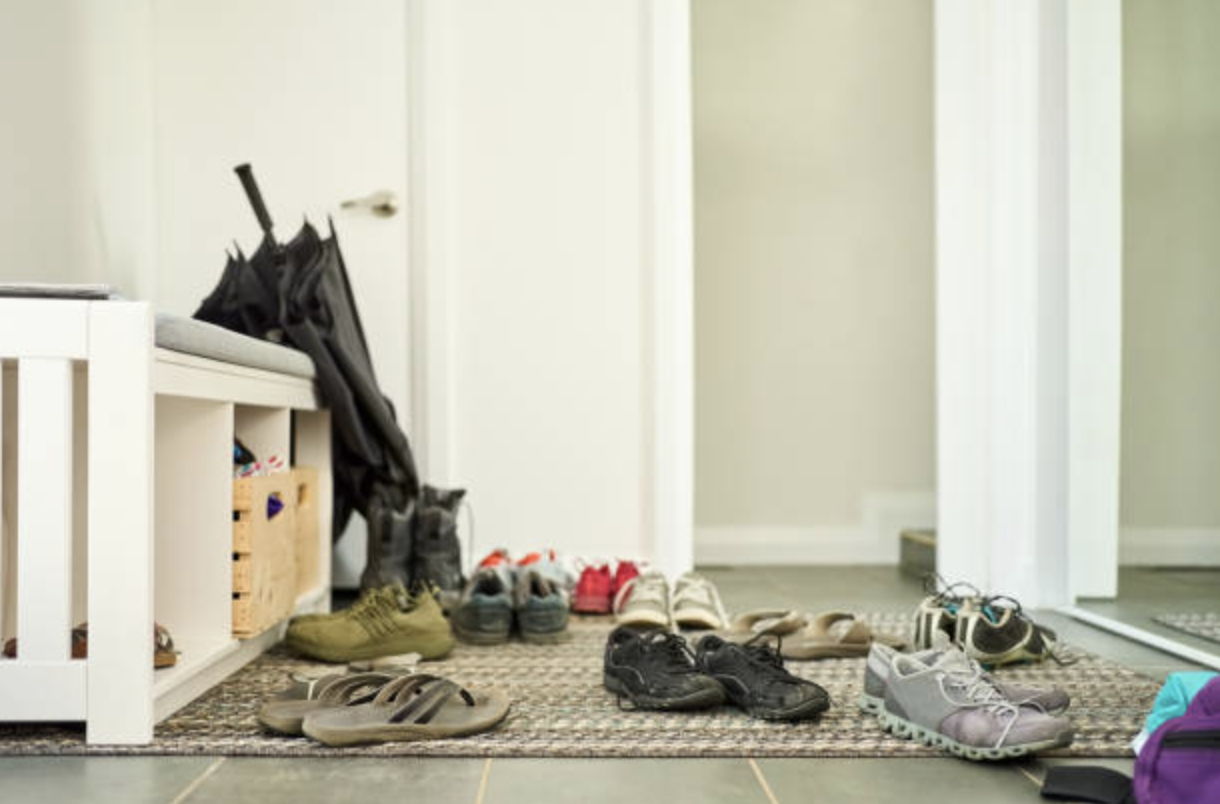
Reasons for clutter are very personal. But, it’s helpful to reflect on what the cause(s) of your clutter may stem from, so you know what next steps to take to address it.
Here are 5 common reasons clutter happens:
No designated “home” for item
It’s difficult to put away an item and tidy your home, if you don’t know where to put it. To combat this, as soon as you enter the home with a new item:
Decide if it’s an item that you want to keep — Does it spark joy? Is it functional? Do you want to give mental and physical energy to it?
If the answer is “yes” and it is an item you want to keep, immediately give it a home.
Store similar items together. This will help prevent duplicate purchases because you’ll be more aware of your inventory.
2. There’s a problem with the current storage system
You might have a current storage system, but if you’re unable to maintain it, it may be that the system is not convenient or easy enough for you or your household members. Keep in mind things like household members’:
Accessibility — what can they easily or not easily reach due to height or strength, for example
Frequency of use — how often the item gets used will dictate accessibility needs
Preference for storage to be visible or stowed away
Preference for micro or macro organizing solutions
It’s crucial to consider your household members’ preferences when creating your storage system for it to last.
3. Delayed decisions
Often piles of “things to do” items start amassing because these items require some sort of action or decision from you — but you haven’t done it yet, and you want some kind of visual cue reminder. These are typically items that aren’t meant to stay in the home long-term. In your mind, you’ll complete the action and then trash the item… but unfortunately, the reality is that the delayed decision pile overruns the action.
To stop the clutter piles, create a “temporary home” or a contained landing place for these items and commit to scheduling time to address them.
4. Emotional weight attached
Clutter may form because these specific items carry some sort of emotional weight to them. It may be guilt, grief, fear or overwhelm that is stopping you from addressing the items.
It’s helpful to start going through your items in small portions and have a trusted party to help support you and walk you through your emotions — whether that’s a friend, family member, therapist or a professional organizer.
5. Routine habits haven’t been established yet
The secret to keeping your home organized? Tidy habits! The goal is for tidy habits to become a natural part of your day like brushing your teeth. Carving out time to do daily resets of your space or scheduling focus days (hello, Mail Mondays!) is essential to keeping your home organized and clutter from piling up.